


Latest news
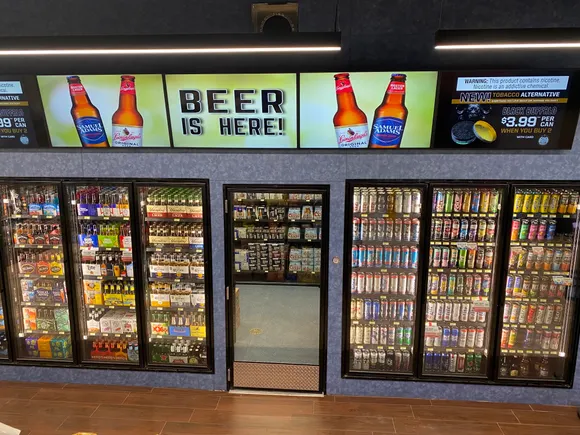
As U.S. environmental regulations tighten, refrigerant end users such as convenience stores face unprecedented compliance pressure. This article analyzes key changes in the proposed AIM Act Part III rules, including leak inspection frequency, reporting obligations, and new requirements effective in 2025, and explores how operations teams can address these challenges through audits, IoT monitoring, and automated data management.
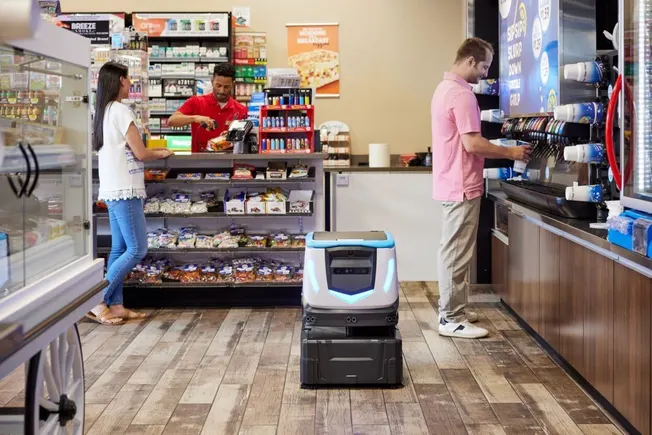
New technologies such as self-checkout, ordering kiosks, digital media, and even floor-cleaning robots are bringing convenience stores new opportunities to attract foot traffic and boost revenue and efficiency. However, industry design experts point out that introducing equipment is far more than simply placing it; it requires careful planning around customer flow, brand alignment, and potential drawbacks.
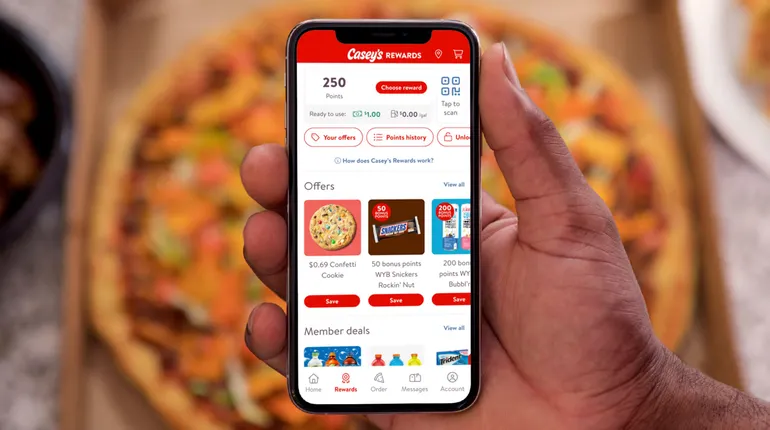
Facing foot traffic fluctuations and intensifying competition, the convenience store industry is viewing loyalty programs as a key to growth. Data shows that 79% of the top 100 chains have deployed loyalty programs. This article points out that true loyalty leaders need to go beyond points themselves, transforming platforms into customer identification and activation engines, achieving measurable foot traffic increases through customer segmentation, tailored promotions, and direct digital engagement.

SQRL Holdings has fallen into trouble after acquiring nearly 400 convenience stores, leaving its landlords confused due to issues like rent arrears and store closures. Most landlords have terminated or plan to terminate their leases, but the company's CEO Jamal Hizam's revival plan lacks details, and landlords remain in the dark.

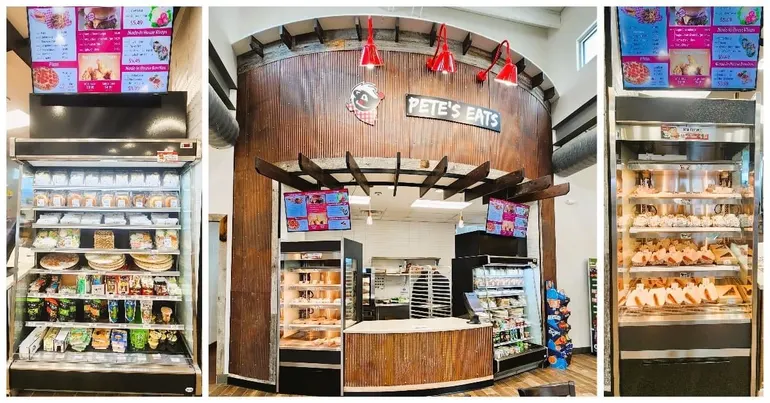

In 2024, restaurant loyalty programs will place greater emphasis on personalization. Chipotle plans to enhance the rewards experience through data-driven approaches, and other chain brands are also launching or reforming membership programs. Experts point out that emotional connection and customer segment matching are critical to success, and while points-based systems remain mainstream, they need continuous adjustment to adapt to inflation and changing consumption patterns.
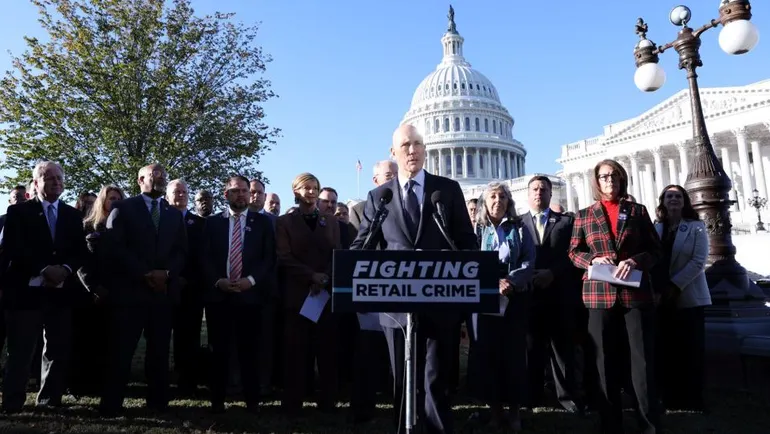
Retail theft is frequently emphasized in industry reports and media coverage, yet its true scale and trends are difficult to clarify due to terminology confusion, sample bias, and statistical misuse. This article reviews relevant data sources and controversies, revealing the possibility that the industry may be exaggerating the problem.
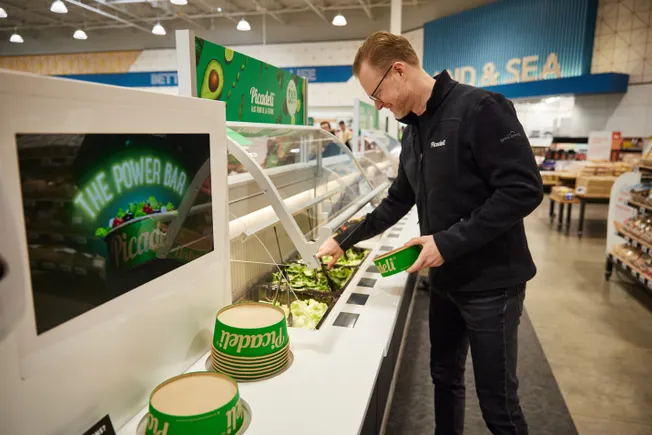
American supermarkets are competing for consumers' dining spending by upgrading prepared foods such as sandwiches and salads, introducing chefs and specialized roles, and optimizing online ordering experiences. Industry data shows that supermarket deli foods are increasingly replacing fast food or fast casual dining.

Retail media, as the fastest-growing marketing channel, has sparked calls for standardization due to issues like fragmentation and inconsistent measurement. Albertsons and others have proposed frameworks, but giants like Amazon are absent, leaving the prospects for standardization unclear, and small and medium-sized platforms may face a shakeout.