

Latest news

Over the past six months, interest in AI has surged among consumers, businesses, and the U.S. government, but the retail industry should not dwell on future visions. Brooke Hodierne, Executive Vice President of Strategic Consulting at Insite AI, believes that AI can drive growth and efficiency right now. Using convenience stores and CPG as examples, she illustrates the practical value of AI in scenarios such as space planning and trade fund allocation, and clarifies two common misconceptions: AI is not a replacement for advanced analytics platforms, nor will it replace human employees. The article also proposes three application directions: assortment planning, price optimization, and promotion optimization, recommending that retailers clarify their internal goals and talent support before collaborating with brands.
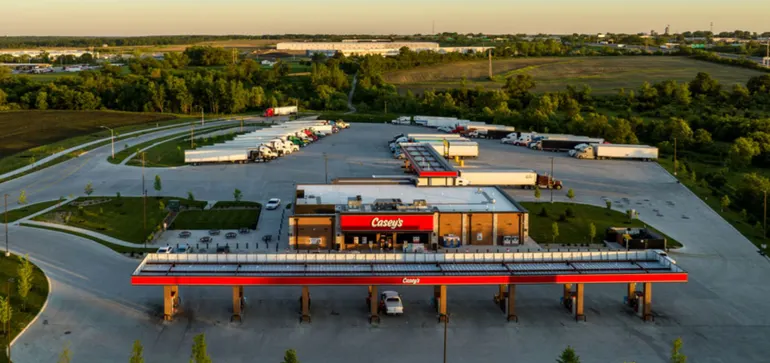
Traditional convenience store chains like Casey's, QuikTrip, and RaceTrac are actively expanding their travel center businesses. Large travel centers offer more space, more merchandise and food service, and lucrative diesel profits, and are seen as long-term assets in response to the electric vehicle transition. Despite challenges such as high construction costs, labor shortages, and competitive barriers, experts believe this trend will continue.

After the pandemic, convenience stores face cost pressures, making menu simplification a core strategy to enhance profitability. This article explains how to scientifically reduce menu items through operational analysis and consumer research (especially TURF analysis), retaining customer preferences while reducing complexity to achieve profit growth.
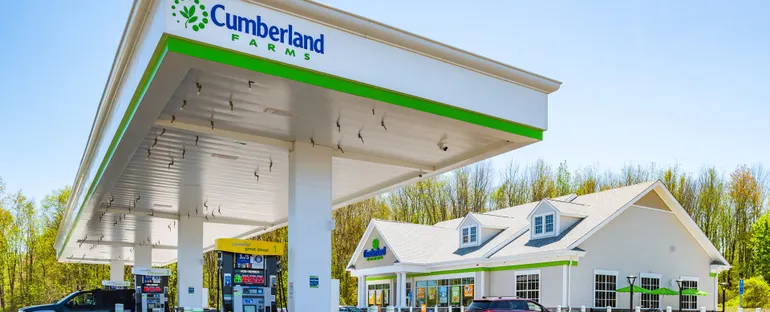
British convenience store giant EG Group is considering selling its U.S. assets to reduce debt, a move that could trigger a shift in industry power, a decline in store numbers, and a bidding war.
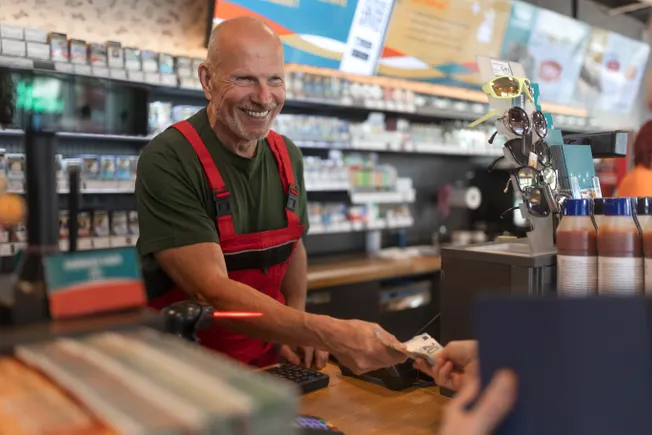
The U.S. convenience store industry still faces severe recruitment and retention challenges in 2023, with an employee turnover rate of 150% in 2021, the highest since 2012. To address this dilemma, multiple convenience store chains are experimenting with strategies such as four-day workweeks, fragmented scheduling, introducing gig economy models, raising hourly wages, offering same-day pay, and providing clear promotion pathways. Based on the NACS report and interviews with several industry executives, this article analyzes the actual effectiveness and future trends of these measures.
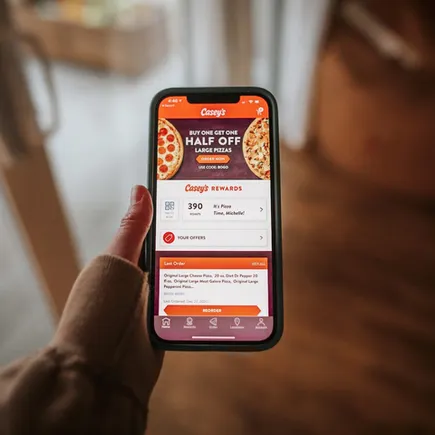
As the digital advertising landscape evolves, convenience store chains like Casey's and 7-Eleven are launching retail media networks, leveraging high-frequency store visits and impulse purchase scenarios to attract advertisers. However, experts point out that this field faces challenges including scarce talent, difficulties for smaller operators to scale, and insufficient loyalty data, while also requiring a careful balance between advertising and the shopping experience.
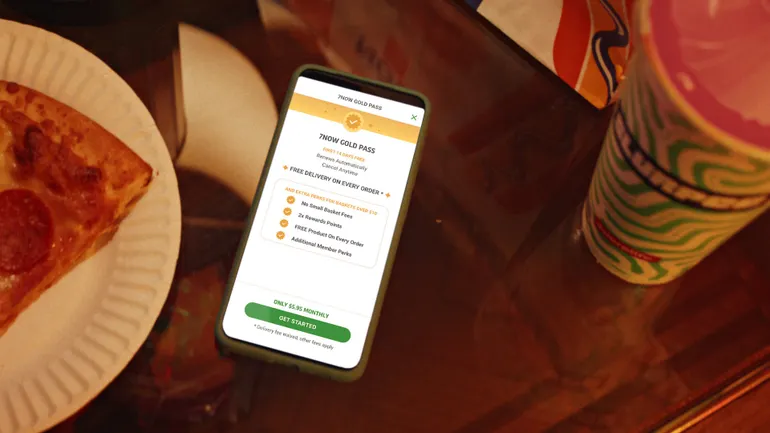
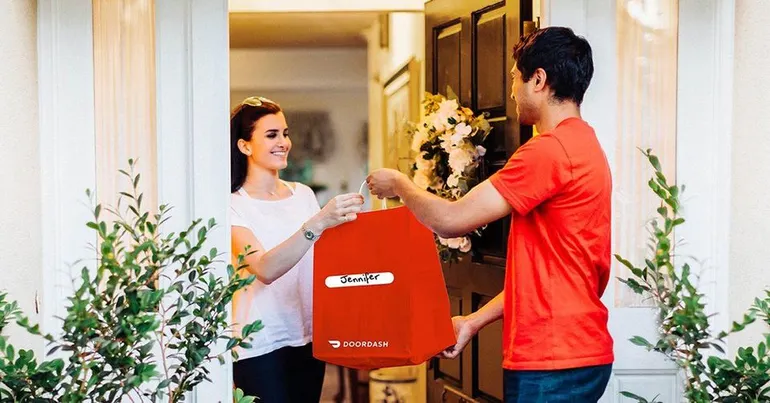
DoorDash started with food delivery and is now expanding into verticals such as convenience stores, groceries, and retail, leveraging its vast delivery network and user base to achieve business growth and profitability improvements. This article explores its partnership cases, profitability logic, and the challenges it faces.
With the decline of third-party cookies and the surge in online shopping, retail media networks have become an important channel for brands to reach consumers. 7-Eleven launched the Gulp Media Network in October 2022, becoming the first retail media network in the convenience store industry. Based on interviews with 7-Eleven executives and analysis by industry experts, this article explores its construction background, personalization strategies, success factors, and challenges faced, providing a reference for other convenience store operators.