


Latest news

Executives in the U.S. convenience store industry generally hold an optimistic view of Trump's tariff policies, believing the impact is limited. However, industry experts point out that tariffs on Canadian crude oil and building materials could raise operating costs, ultimately being passed on to consumers, with small retailers facing greater risks.
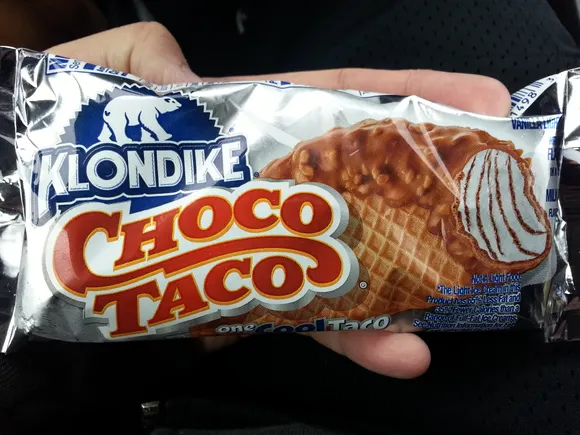
From fruit-striped gum to chocolate roll ice cream, many classic snacks that have accompanied generations are disappearing or declining in quality due to shifting consumer preferences, rising costs, and stricter regulations. Brands need to find a balance between maintaining quality and adapting to new demands, or they may be eliminated from the market.
After completing its acquisition of Kum & Go in August 2023, Maverik quickly eliminated the latter's made-to-order food service and mobile ordering, and pushed forward with a full-store brand replacement. Multiple former Kum & Go employees anonymously revealed that during the integration, Maverik executives overturned the results of a pizza blind taste test, the decision-making process lacked transparency, and consumer research had regional bias. This article outlines the complete timeline from the concept of a 'Maverik One' fusion menu to a full separation.
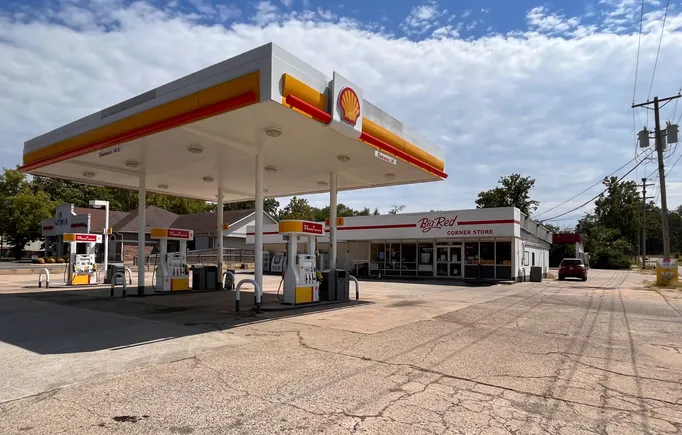
Luke and Rochelle Davis became loan guarantors for a gas station property to help Rochelle's mother, Cheryl Keller, invest in it. However, the tenant, Mountain Express Oil Company, went bankrupt due to mismanagement and misappropriation of funds, leaving the property abandoned and foreclosed. The Davises not only lost hundreds of thousands of dollars in savings and assets but were also forced into bankruptcy, and their relationship with Rochelle's mother was destroyed.
After experiencing financial setbacks, the closure of 444 stores, and acquisition turmoil in 2024, how 7-Eleven will recover in 2025 has drawn significant attention. Former CEO James Keyes reflects on the bankruptcy lessons of 1990, emphasizes the importance of change, and focuses on whether the company's newly launched "New Standard" large-format food store can succeed. Human capital strategist Michael D. Brown focuses on store experience differentiation and talent recruitment challenges. Meanwhile, the direction of Couche-Tard's acquisition offer and Ito-Kogyo's management buyout proposal are also key points of industry observation.
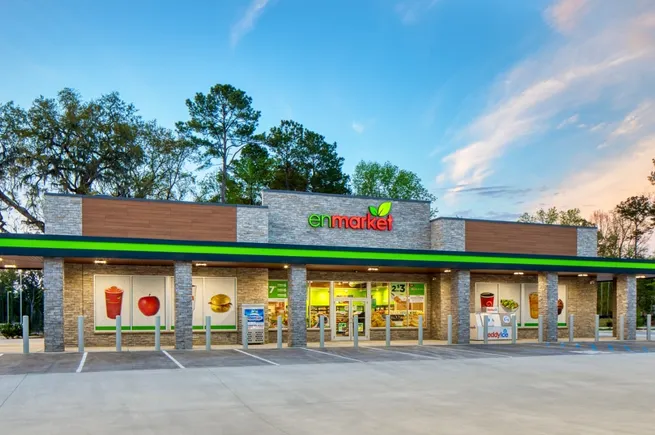
Over the past year, convenience store retailers have faced inflationary pressures, economic challenges, and uncertainty in electric vehicle policies. Looking ahead to 2025, the industry will see nine major trends, including accelerated consolidation, policy adjustments under the Trump administration, a reassessment of loyalty strategies, a shift in EV charging priorities, the rise of hybrid food service models, deeper AI adoption, transformation in the tobacco category, and the utilization of first-party data.

The succession dream of family-owned convenience store businesses contrasts sharply with the harsh reality. Data shows that only 30% of family businesses survive into the second generation, 12% into the third, and 97% disappear before the fourth. Through the perspective of industry expert Terry Monroe, this article analyzes the reasons for cross-generational succession failure and raises key questions: Does your business have multi-generational vitality? Can family members drive its growth?
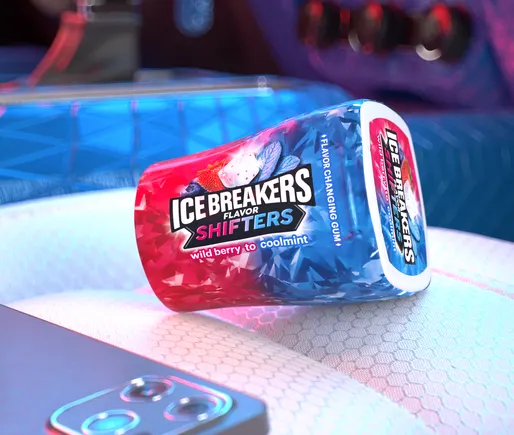
The gum industry faces the challenge of long-term consumption decline. Although sales have rebounded after the pandemic, consumer interest remains below historical peaks. Hershey has launched Flavor Shifters, its biggest innovation in five years, which attracts consumers through flavor changes during chewing. Mars Wrigley is attempting to break the monotonous experience of traditional gum through strategies such as Skittles-flavored crossovers, Simply's use of natural ingredients, and Maax's addition of caffeine. Industry experts point out that truly breakthrough innovation may come from startups, while large companies may absorb new trends through acquisitions.
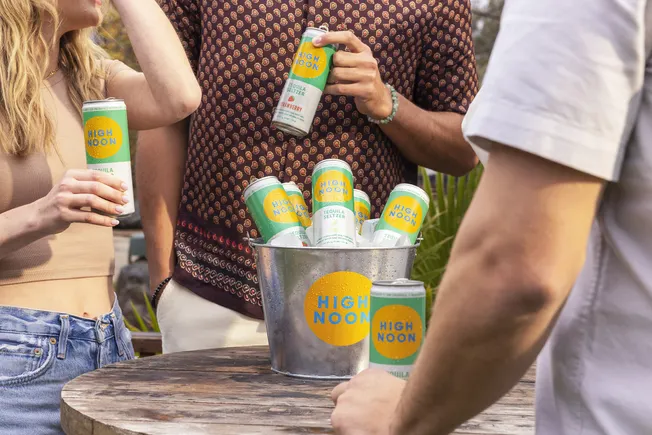
Hard seltzer once disrupted the alcohol industry, and the canned cocktail market it spawned has now expanded to diverse products such as hard tea and whiskey cola. In 2023, sales of ready-to-drink cocktails made with real spirits grew 26.8% to $2.8 billion. However, traditional malt-based hard seltzer sales have declined since their 2021 peak, with brands shifting toward spirit-based products. Experts point out that category evolution is driven by consumer preferences but may cannibalize traditional spirits sales.

Addressing the operational issue of whether convenience stores should maintain 24-hour operations, industry veteran Brad Chivington, drawing on historical evolution and post-pandemic changes, proposes a quantitative assessment across four aspects: time-based customer flow, sales composition, nighttime labor costs, and market competition, recommending a reference period of 6 to 13 weeks of data. The article notes that there is no one-size-fits-all answer to this decision, as it varies by store, customer base, and community.