


Latest news
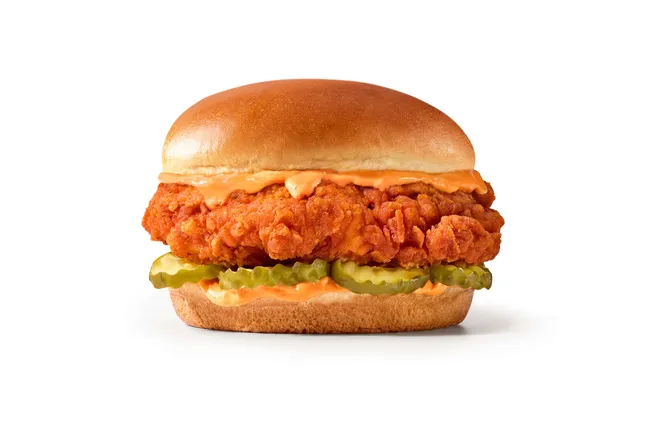
The convenience store industry has recently seen a wave of limited-time spicy chicken products: 7-Eleven introduced a spicy chicken sandwich, Circle K partnered with Pepsi to offer Flamin' Hot boneless wings, and Rutter's added several new spicy chicken items. Additionally, Kwik Trip collaborated with Mountain Dew on a new donut flavor, Stewart's launched a peanut butter cup, and UDF's Dulce De La Cruz ice cream entered grocery channels.
McLane Company has promoted Farley Kaiser to Vice President of Retail Foodservice, where she will lead the strategy, growth, and execution of the company's retail foodservice and private brand programs. Kaiser previously served as Senior Director of Culinary Innovation, succeeding the departing Jon Cox.
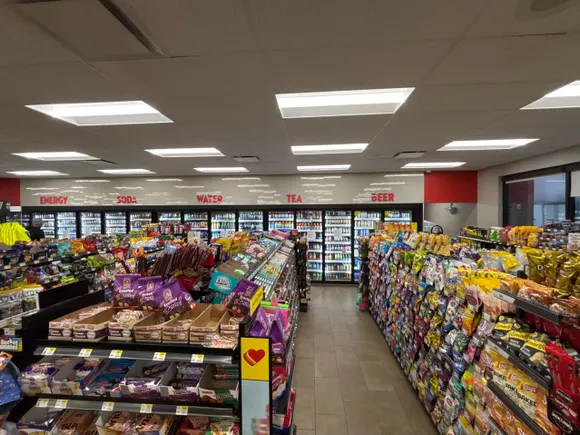
The convenience store industry faces the severe challenge of a staff turnover rate exceeding 100%. During the "100-Day Summer," the hottest sales season of the year, store reset merchandising often competes with customer service for limited manpower. Third-party merchandising service provider MSCO proposes that by executing resets with a professional outsourcing team, it is possible to shorten cycles and ensure planogram compliance without adding staff, resulting in a 7-8% sales growth and a reduction in out-of-stock rates of up to 20%.
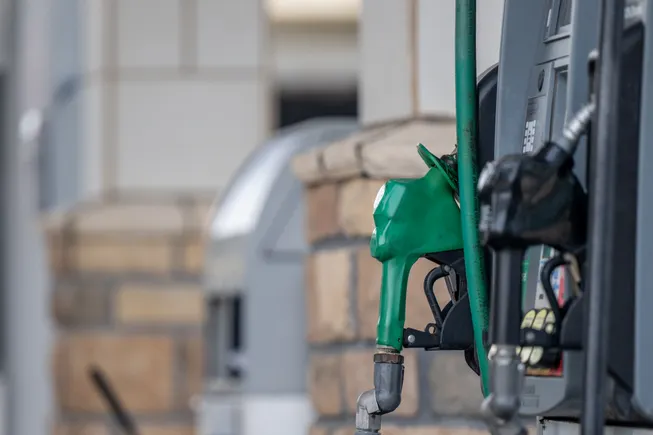
Several California residents have filed a lawsuit in federal court, accusing retailers such as 7-Eleven, Circle K, and BP of using an AI fuel pricing algorithm developed by Kalibrate to implement an "illegal algorithmic price-fixing scheme," causing gas prices in California to rise by an average of about 6 cents, with increases of up to 30 cents in some areas. The plaintiffs argue this violates California antitrust laws and Assembly Bill 325.
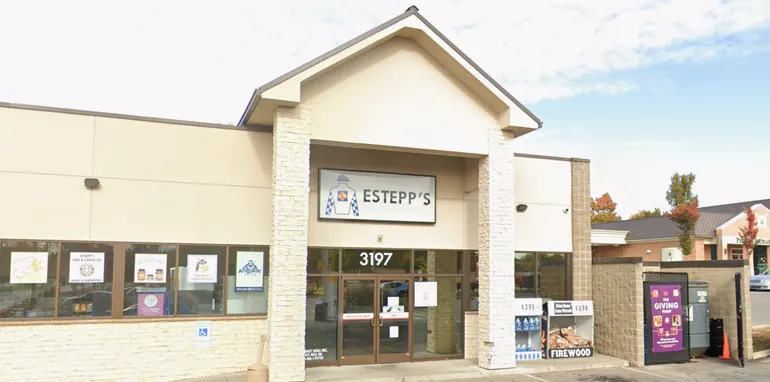
Kentucky convenience store operator Estepp Energy announced it will introduce PJ's Coffee at its seven locations, using formats ranging from full coffee shops to end-cap counters, to enhance beverage quality and expand fast-food partnerships.
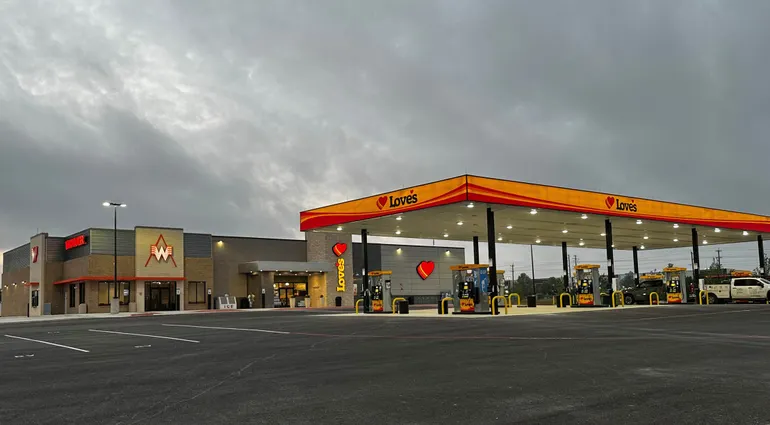
Restaurant brands are increasingly viewing convenience stores as expansion vehicles. This year, Whataburger partnered with Love's Travel Stops and Refuel Operating Co. to open its first travel center location and develop co-built sites. The company has operated in the convenience store channel for 26 years, currently has about 40 locations, and will optimize its non-traditional business layout with new prototype designs in the future.
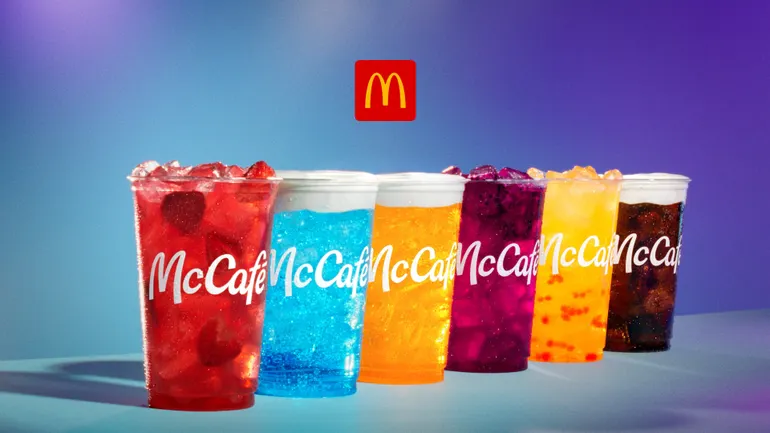
As consumers view beverages as affordable indulgences amid economic pressure, competition between QSRs and convenience stores in the made-to-order beverage space is intensifying. Brands like McDonald's and Whataburger are introducing innovative products, while convenience stores such as 7-Eleven and Wawa continue to lead with established systems. Industry experts suggest that convenience stores should learn from QSRs' menu innovation and digital operations to strengthen their own advantages.
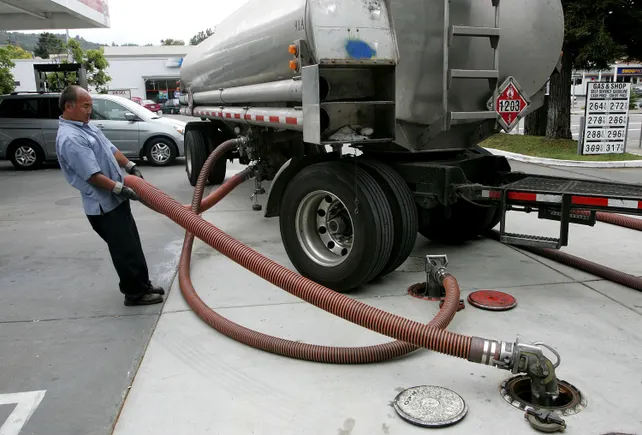
Convenience store operators invest heavily in payment system and customer data security, yet often neglect Automatic Tank Gauges (ATGs), a critical piece of infrastructure. With the rise of cyberattacks targeting critical infrastructure, ATGs have become a potential entry point. This article explores the security risks of ATGs and proposes five practical steps to reduce risk and enhance resilience.
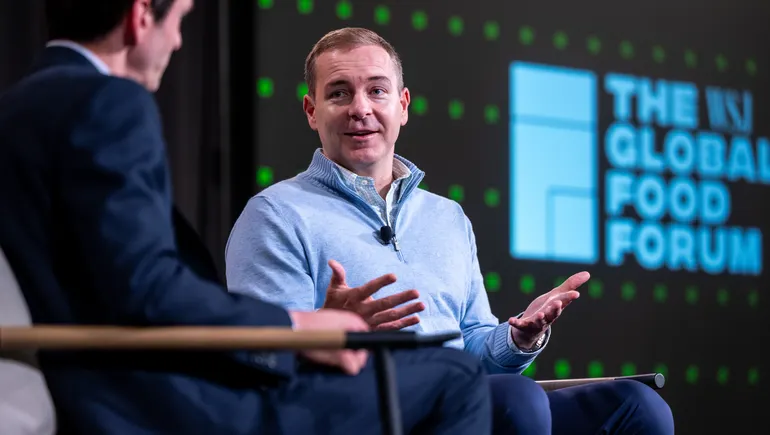
Food and beverage innovation is increasingly critical in convenience store retail, but shrinking consumer spending and price sensitivity pose obstacles. PepsiCo Beverages President Mike Del Pozzo, Driscoll's CEO Soren Bjorn, and Athletic Brewing CEO Bill Shufelt shared their assessments of the current state of the convenience store channel and growth strategies at the WSJ Global Food Forum.
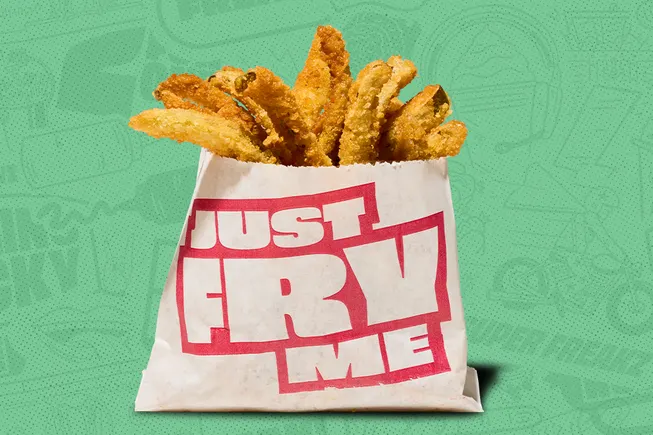
Over the past few weeks, the U.S. convenience store industry has seen the return of several popular limited-time products, new co-branding collaborations, and sports-based menu innovations. From Casey's Bacon Cheeseburger Pizza to Wawa's Gritty smoothie co-branded with the Philadelphia Flyers, to 7-Eleven's World Cup-themed meals, chains are attracting consumers through differentiated food services.